Ecological Research on a High-Speed Landscape: Developing a predictive understanding of how long-term change and short-term disturbance control the dynamic nature of coastal barrier landscapes.
Home
The Virginia Coast Reserve (VCR) is an extremely dynamic, heterogeneous coastal barrier landscape comprising mainland watersheds, tidal marshes, lagoons, and barrier islands. The goal of the VCR LTER is to understand, quantify and predict how variation and trends in environmental drivers change ecosystem states and functions from local to landscape scales, and to relate these to the ecological services the coastal barrier systems provide.
We focus on how slow progressive environmental changes interact with short-term disturbances such as storms and species invasions to control the dynamics and biotic structure in the coastal barrier landscape. Coastal barrier systems like the VCR are prominent features of shorelines on most continents and are important globally. Our work thus extends beyond the VCR; our understanding can both be applied broadly to coastal barrier systems and be compared to other types of land-margin ecosystems.
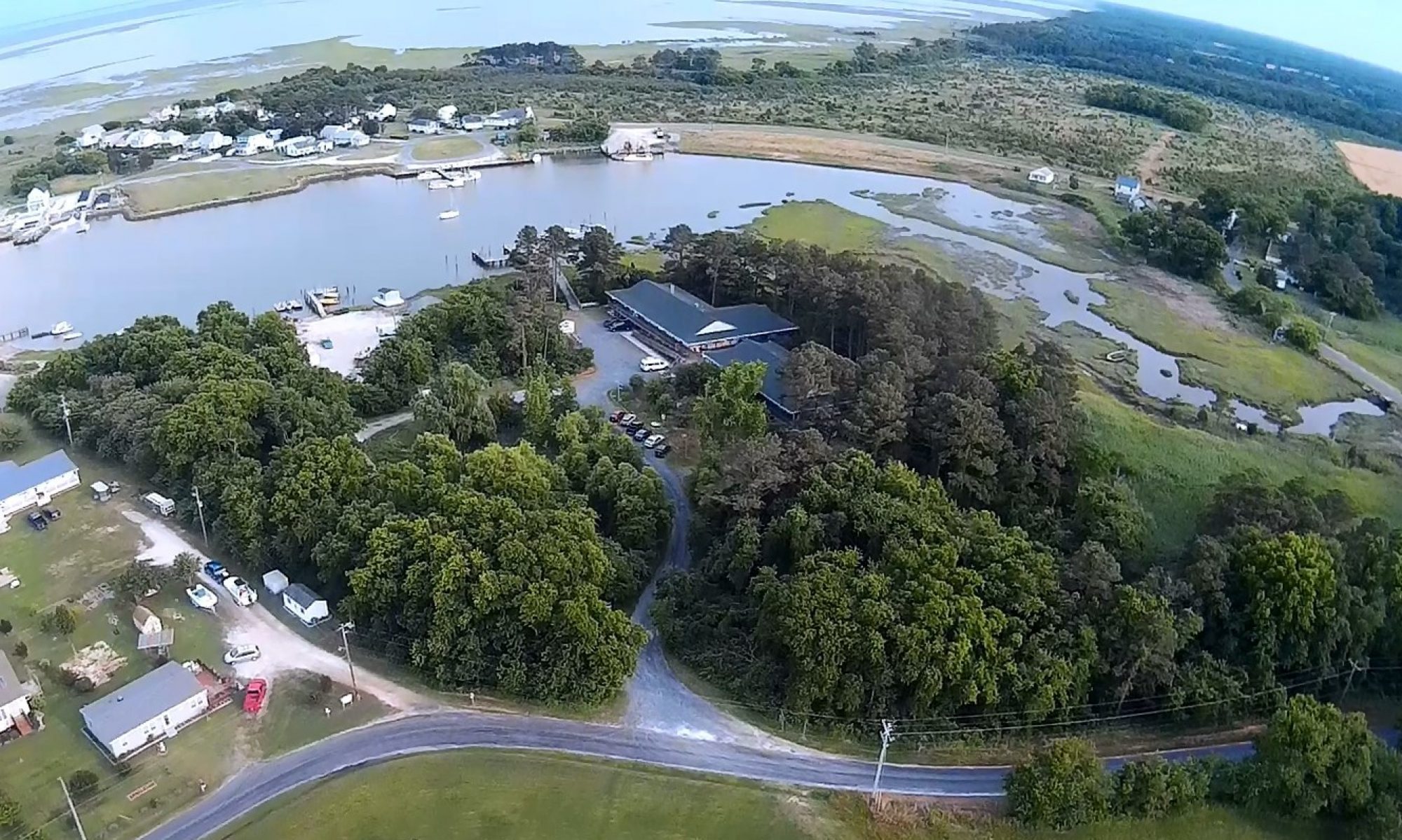
The VCR barrier island/lagoon system extends 110 km along the Atlantic shore of the Delmarva Peninsula. Sandy and dynamic barrier islands are backed by salt marshes and shallow lagoons and separated from one another by deep inlets.
Mary Bryan Barksdale is the winner of the inaugural Iris C. Anderson Research Award in recognition of an outstanding first-authored paper that contributes to VCR LTER science and to the broader field of coastal science. Her paper, co-authored with Kendall Valentine, Chris Hein, and Matt Kirwan is entitled: Tradeoffs Between Vertical and Lateral Resilience in …
Undergraduate students are invited to apply for the Research Experiences for Undergraduates (REU) program with the Virginia Coast Reserve Long Term Ecological Research (LTER) project. Our REU program begins in late May and concludes in early August. It includes work on a focal research project, help with our long-term sampling initiatives, and occasional professional development sessions. …
Dr. Serina Wittyngham, now faculty at U. of North Florida, along with her advisor David S. Johnson and other VIMS researchers have been in the media recently talking and writing about crabs (specifically Sesarma reticulatum, purple marsh crab) and their impact on salt-marsh carbon storage . This work is from Serina’s excellent research on the Virginia Coast …
The VCR VIII conceptual framework focuses on: ecosystem state change dynamics (Theme 1); the connectivity of water, sediments and carbon between ecosystems that couple state change dynamics of individual ecosystems (Theme 2); and the consequences for landscape-scale changes across the coastal barrier landscape (Theme 3). We continue to investigate ecological processes within each ecosystem area (transitional forest-marsh, intertidal, subtidal, barrier island) and propose new studies to address how connectivity alters state change and ecosystem function across the VCR. Ecosystem state change and connectivity affect broader spatial dynamics, including the spatial stability of ecological processes, and influence ecosystem function across the landscape. Within each theme, we summarize how and where we quantify the core areas of primary production, organic matter, nutrient movements, populations and disturbance.
Projecting the long-term response of coastal ecosystems to climate change requires understanding how climate drivers affect ecosystem state change and connectivity across the entire coastal landscape. The overarching goal for VCR LTER VIII is to understand, quantify and predict how variation and trends in climate drivers change ecosystem states and functions from local to landscape scales. To accomplish this, we organize our research around three themes: 1) mechanisms and consequences of state change within ecosystems; 2) connectivity and coupled dynamics between ecosystems; and 3) landscape-scale dynamics. VCR LTER research continues to focus on identifying biophysical feedbacks that either maintain or facilitate transitions in ecosystem states and threshold responses to climate drivers, developing mechanistic models, calibrated and validated with long- and short-term data, and using these to project state change and its ecological consequences and investigating consequences of state transitions and their interactions for ecosystems attributes, including biodiversity, organic matter, nutrient cycling and carbon sequestration, that represent core areas of LTER research . Extending our research to ecological patterns and processes at the scale of the entire landscape is a new focus for VCR VIII. This integrated long-term research informs management and conservation of coastal ecosystems at the VCR, and extends regionally and globally through comparative studies and syntheses. Our research has an empirical and mechanistic focus on coastal ecosystems, and at the same time tests theories and contributes general models related to state change and thresholds.
About
The Virginia Coast Long-Term Ecological Research (VCR/LTER) project’s research activities focus on the mosaic of transitions and steady-state systems that comprise the barrier-island/lagoon/mainland landscape of the Eastern Shore of Virginia. Primary study sites are located on Hog Island, Parramore Island and mainland marshes near Nassawadox VA.
The VCR/LTER has its field facilities at the Anheuser-Busch Coastal Research Center in Oyster, VA at: 6364 Cliffs Road, Cape Charles, VA 23310 or PO Box 55, Cheriton, VA 23316 (US Mail). The administrative headquarters of the VCR/LTER is at the University of Virginia Department of Environmental Sciences, 291 McCormick Road, P.O. Box 400123, Charlottesville, VA 22904-4123.
The VCR/LTER is administered through the Department of Environmental Sciences at the University of Virginia. Researchers from many other institutions participate in research. These include Boston University, East Carolina University, Old Dominion University, Utah State University, Virginia Commonwealth University, Virginia Institute of Marine Science and the Nature Conservancy. The VCR/LTER is supported by National Science Foundation grants BSR-8702333-06, DEB-9211772, DEB-9411974, DEB-0080381, DEB-0621014, DEB-1237733, DEB-1832221 and DEB-2425178, and is part of the U.S. Long-term Ecological Research Network.
Contact Us
The VCR/LTER has its field facilities at the
Anheuser-Busch Coastal Research Center
6364 Cliff Road, Cape Charles, VA 23310
or PO Box 55, Cheriton, VA 23316 (US Mail)
Phone: 757-331-1246
The administrative headquarters of the VCR/LTER is at
 We focus on how slow progressive environmental changes interact with short-term disturbances such as storms and species invasions to control the dynamics and biotic structure in the coastal barrier landscape. Coastal barrier systems like the VCR are prominent features of shorelines on most continents and are important globally. Our work thus extends beyond the VCR; our understanding can both be applied broadly to coastal barrier systems and be compared to other types of land-margin ecosystems.